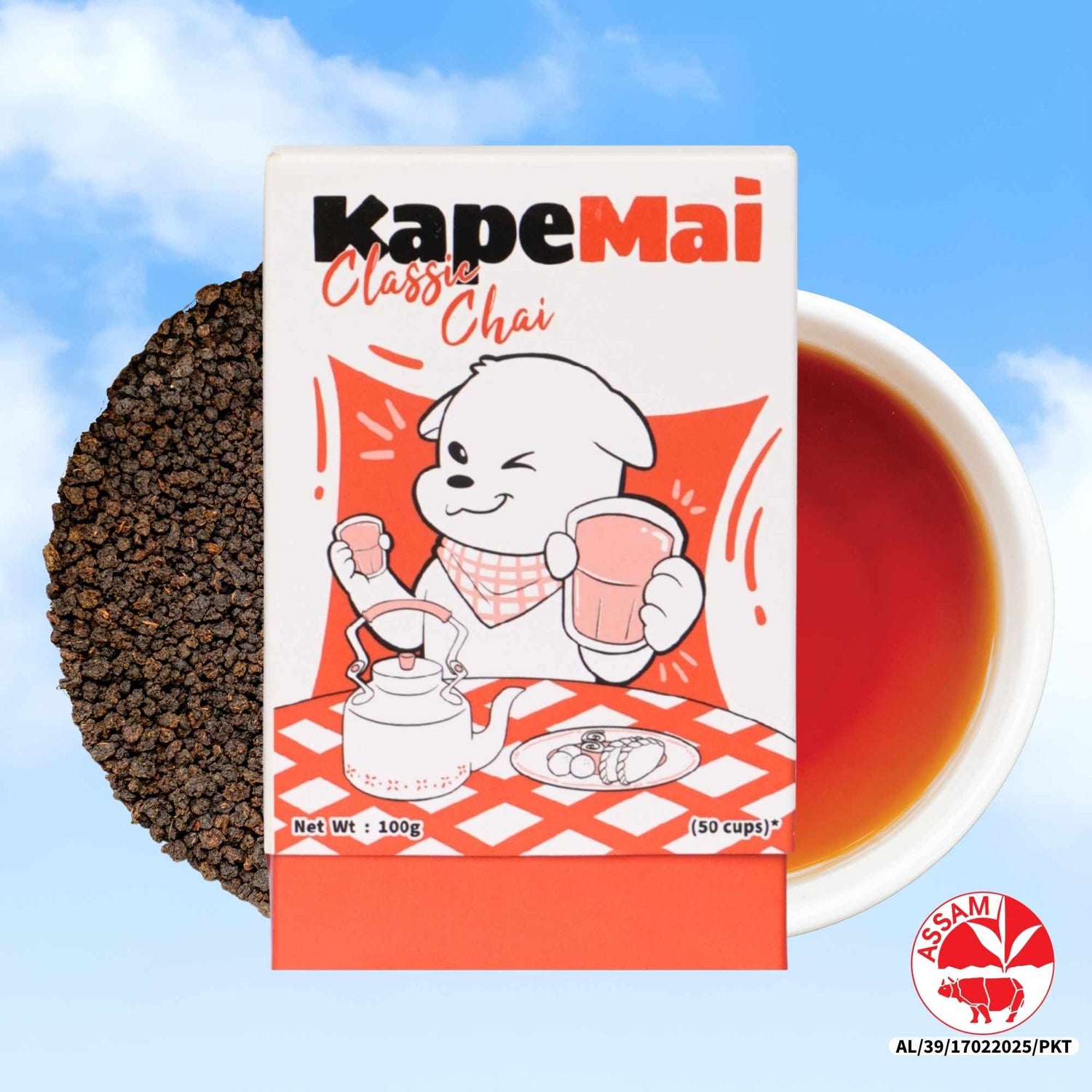


Truth Behind Dust Tea: What Makes It Different?
Kholizio A. KapemaiShare
Unveiling Dust Tea: An Insight into Tea Quality
Dust tea, often relegated to the periphery of tea culture, holds a significant position in the tea industry. While it might lack the glamour of whole-leaf varieties, understanding what dust tea is and its role in the tea market is crucial for any tea enthusiast.
What is Dust Tea?
Dust tea, also known as 'fannings' or 'dustings', is the smallest grade of tea particles, typically a byproduct of the tea production process. These tiny particles are sifted out during sorting and grading, resulting in a fine powder-like substance. This grade is commonly used in tea bags due to its quick brewing properties.
The Origins of Dust Tea
Dust tea isn't a recent innovation but rather a result of the tea manufacturing process. During the production of whole-leaf teas, leaves are sorted based on size. The smallest particles that break off during handling or processing accumulate as dust tea.
Why is it Considered Low Quality?
Despite its prevalence, dust tea often carries a reputation for being of lower quality compared to whole-leaf teas. Several factors contribute to this perception:
1. Processing: Dust tea is a byproduct of processing, often seen as inferior to whole-leaf teas.
2. Flavor: Due to its smaller particle size, dust tea can brew a stronger and sometimes bitter flavor compared to whole-leaf varieties.
3. Appearance: The fine particles of dust tea lack the visual appeal of whole-leaf teas, which can impact consumer perception of quality.
Uses of Dust Tea
While dust tea may be perceived as low quality, it serves a significant purpose in the tea market:
1. Tea Bags: Dust tea is commonly used in tea bags for its convenience and quick brewing properties.
2. Blending: It's often utilized in blends to add strength or depth of flavor.
3. Culinary Purposes: Dust tea can also be used in cooking and baking, where its strong flavor can complement various dishes.